Taking a step backward to move forward
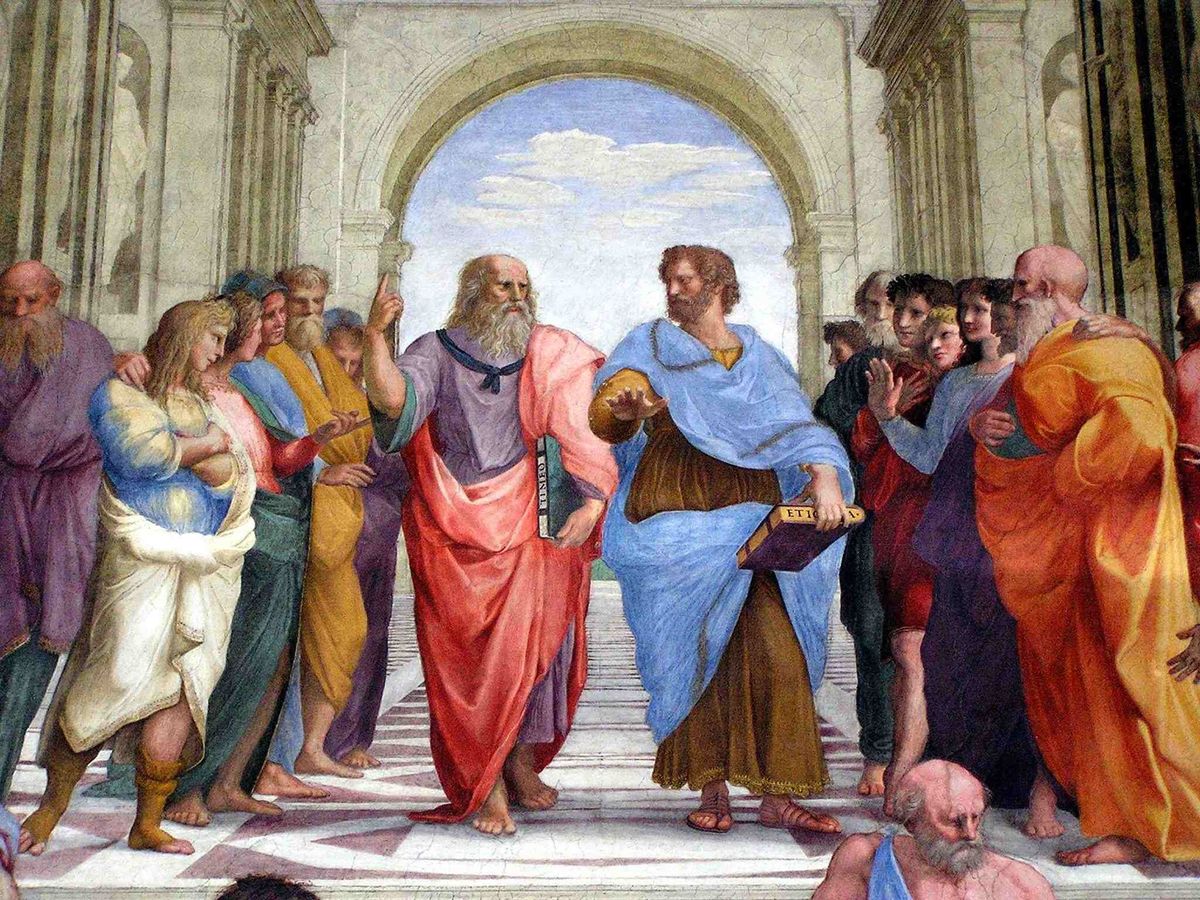
Plato had a strong intuition, but he did not turn it into a rational way to define concepts. Aristotle settled for a way to describe objects. Geneosophy deals with concepts.
Plato had a strong intuition, but he did not turn it into a rational way to define concepts. Aristotle settled for a way to describe objects. Geneosophy deals with concepts.
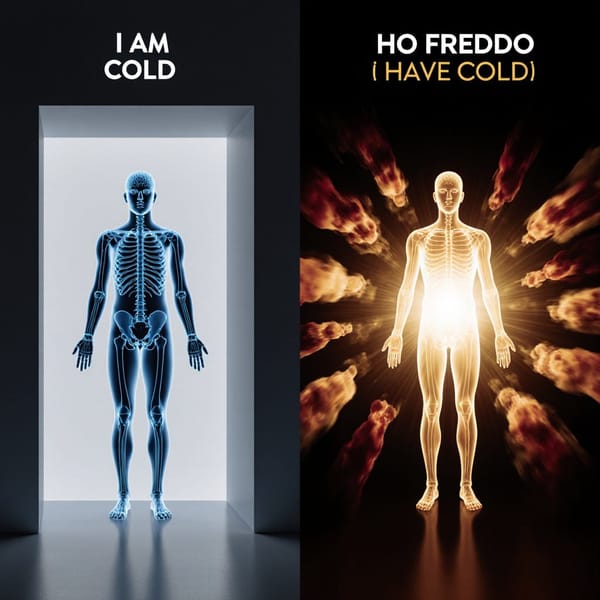
When you say "I am cold," you aren't just describing your temperature. You are picking a side in a centuries-old philosophical war, one that perfectly explains why the tech world is currently tearing itself apart over whether AI can truly "reason." There is a

Is AI becoming more human, or are we discovering just how much of our "intelligence" is actually uncritical reflexive thought? In this dialogue, a skeptical look at our new "LLM Oracles" reveals an unsettling truth: for most of us, the Turing Test has been inverted. We
Most philosophical debates don't need better answers. They need a different starting point. This dialogue explores Geneosophy, a framework in which centuries-old paradoxes about mind and body, mathematics and reality, don't get solved. They stop arising. [Part 1] | [Part 2] | [Part 3] | [Part 4] | [Part 5]

Every major intellectual revolution has a Galileo moment: when the object of inquiry becomes clear, the method takes shape, and the formal language adequate to carry the new questions is still being forged. Newton and Leibniz didn't find calculus waiting for them. The questions Galileo opened called it